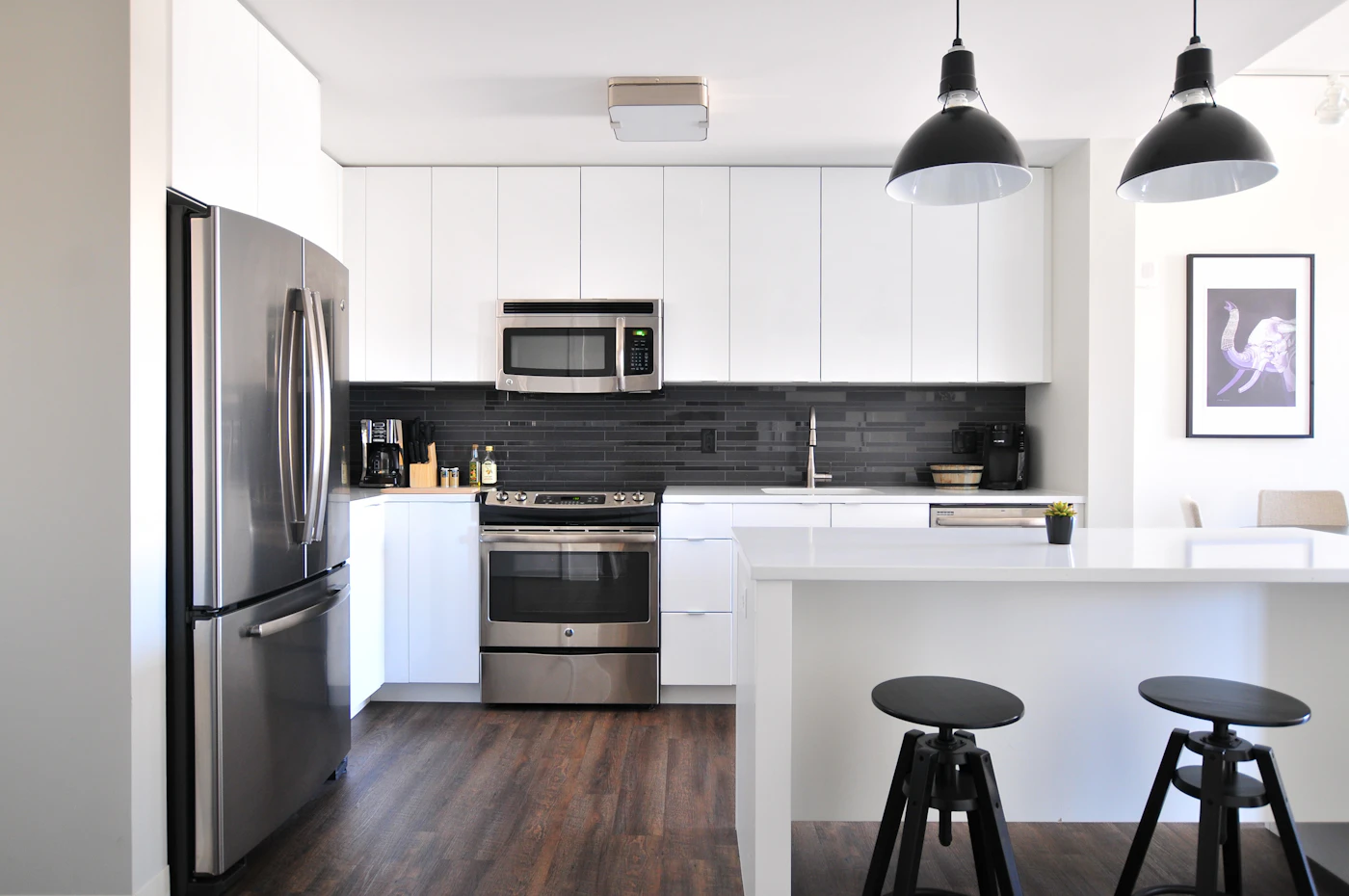
There is probably one small moment in your home that keeps asking for more effort than it deserves.
The keys never land in the same place. The mug you use every morning lives across the kitchen from the kettle. Reusable bags make it to the car only after you have already left the driveway. Nothing is dramatically wrong. The routine simply catches, over and over, on the same little edge.
That edge is household friction: a recurring moment of irritation, delay, or misplaced effort. This audit is not a route to an immaculate home or a flawless system. It is a way to notice one snag, make one free or low-cost adjustment, and see whether the next seven days feel any easier in that exact spot.
Seven days gives you enough time to encounter the routine more than once. At the end, you can keep the change, alter it, or put everything back. No verdict on your character required.
The tiny home problem worth noticing
Household friction often hides inside a familiar sequence:
- You begin an ordinary task.
- Something you need is elsewhere, buried, missing, or awkward to reach.
- You detour, improvise, or leave a small pile behind.
- The same thing happens again tomorrow.
Because each incident is minor, it may never seem worthy of attention. Yet repetition makes it useful information. The goal is not to judge the pile, the detour, or the person who forgot. It is simply to ask: What is this recurring annoyance trying to tell me about the setup?
Perhaps the object lives far from where it is used. Perhaps a routine has no clear beginning or ending. Perhaps one location makes sense to one person and not to everyone sharing the space. Perhaps the current arrangement was sensible once, but daily life changed around it.
Different homes have different limits. Renters, caregivers, children, housemates, pets, small rooms, changing mobility, and tight budgets all shape what is workable. A useful adjustment fits the life already happening there. It does not demand that the household resemble somebody else’s.
Choose one friction point, not a whole room
“Fix the kitchen” is too large for this experiment. “Stop searching for the tea strainer every morning” is small enough to test.
For a day or two, notice the moments that produce a familiar not this again. You are looking for repetition, not the most impressive project. When one appears, run it through this short audit:
- What keeps happening? Describe the snag without blaming anyone: “The mail spreads across the counter” is more useful than “We are terrible at dealing with mail.”
- Where does it happen? Name the precise point in the routine: entering the door, making coffee, packing lunch, starting laundry.
- Who uses the space? A change that helps one person but confuses three others may simply move the friction around.
- What effort is being repeated? Look for searching, backtracking, reaching, carrying, remembering, or clearing a surface before it can be used.
- What is the smallest workable change? Move one object, assign one existing container, clear one tiny landing spot, or change one step.
Choose a single friction point for the week. If you notice six more while doing the audit, write them down and leave them alone. This is a tiny experiment, not an invitation to reorganize your life.
A clear test might sound like this:
For seven days, I’ll place the reusable bags beside the item I always take when I leave and notice whether that location works better.
That sentence names the annoyance, the adjustment, and the question. It does not promise an outcome.
Try a no-buy-first adjustment
Before shopping for a solution, experiment with what you already own. A bowl, tray, hook, drawer, basket, shelf, jar, note, or patch of open surface may be enough to test the idea. If the arrangement proves useful, you can decide later whether it needs anything else.
Here are a few starting points. Treat them as possibilities, not prescriptions.
Move the object closer to the action
If you repeatedly cross the room for the same item, try storing it at its point of use. The everyday mugs might move nearer the kettle. The scissors used for opening deliveries might move closer to the place where packages are handled. The cloth used on the kitchen table might live in a nearby drawer rather than at the opposite end of the room.
The question is not whether the new location looks conventionally correct. It is whether it works for the people who use it.
Give essentials a landing spot
If keys, a wallet, incoming mail, or another frequently carried item tends to drift, designate a small landing spot where the item naturally arrives. Start with an existing dish, box, or clear corner rather than buying an organizer.
Choose the landing spot by observing where the item already wants to go. A container placed in an aspirational location may remain empty while the actual pile continues three feet away.
Remove one unnecessary handoff
Some routines become awkward because an object passes through several temporary locations. Laundry leaves the dryer, sits in a basket, moves to a chair, and waits for the next step. Papers travel from a bag to a counter to a stack. Notice whether one handoff can disappear.
This does not mean completing every task immediately. It means testing whether the first landing place could also be the place where the next useful action happens.
Make the next step visible
Sometimes the snag is not storage but ambiguity. A return that needs to leave the house might stay beside the door instead of vanishing into a closet. An item awaiting repair might have one temporary, clearly defined place rather than joining a general pile.
Keep this experiment modest. You are not creating a command center. You are giving one unfinished task a legible next step.
Whatever you choose, make the change reversible. Use the bowl you have. Move one item, not the entire cupboard. Tell anyone affected that you are trying a new location for a week. A light experiment is easier to evaluate honestly because no one has to defend the effort or expense invested in it.
Run the seven-day ease test
Now live with the adjustment. Resist improving it constantly during the first day; give yourself enough time to meet the routine as it normally occurs.
Once a day—or simply whenever the relevant moment happens—make a quick note:
- Used: Did the new setup come into play today? Yes, no, or the occasion did not arise.
- Ease: Did the routine feel easier, unchanged, or harder at that point?
- Snag: What still caught?
- Side effect: Did the change create a new inconvenience for you or someone else?
A daily entry can be one line:
Tuesday: Used it. Keys were easy to place, but the bowl crowded the narrow shelf.
That is enough. You do not need a score, a streak, or seven perfect days. Missing a check-in does not spoil anything. What matters is what you notice while the household moves around the change.
If the setup clearly gets in the way, adjust it. Move the bowl to the wider surface. Shift the mugs one shelf lower. Make one small revision, record it, and continue. The experiment serves the home, not the other way around.
Decide: keep, tweak, or let it go
After seven days, return to the original friction point. Ask what happened most often, not what happened on the best day.
Keep it
Keep the adjustment if it was used naturally and made that particular routine easier without causing a more troublesome snag elsewhere. Nothing needs to be formalized. The object can simply continue living in its new place.
Tweak it
Tweak the setup if the basic idea helped but the details did not quite fit. The landing spot may be right but too small. The item may belong near the task but on a different shelf. A shared household may need a clearer agreement about what goes where.
Change one variable and, if useful, give it another few days. You are refining a practical arrangement, not chasing perfection.
Let it go
Put the old setup back if the experiment was ignored, created confusion, or made another part of the routine harder. An unhelpful result is still a result. It tells you that this particular change did not fit this particular home at this particular time.
Do not turn that information into self-criticism. You may have chosen the wrong location, misunderstood the snag, or discovered that the annoyance is not worth solving right now. Letting the experiment go can be the cleanest decision.
Choose a smaller task when you need one
If today’s problem is a crowded chair or scattered dishes, the 10-minute room reset menu gives you one visible task with a clear stopping point.
If the snag is uncertainty about a shared bill, use the 20-minute shared-money conversation to name one question, an owner, and a next step.
Build a gentler household-fix habit
You do not need to keep auditing once the week ends. Wait until another recurring annoyance earns your attention. Then use the same small sequence:
- Notice one repeated snag.
- Describe it without blame.
- Choose the smallest reversible adjustment.
- Try what you already have first.
- Observe for seven days.
- Keep, tweak, or release it.
If you want a reusable checklist, OnlyCheckboxes can hold one; a scrap of paper works just as well. Seven boxes and a few words per day are plenty.
The lasting skill is not maintaining a perfect household system. It is becoming curious when an ordinary routine catches—and giving yourself permission to move one small thing.


